
Posted Date : 29 Oct 2024
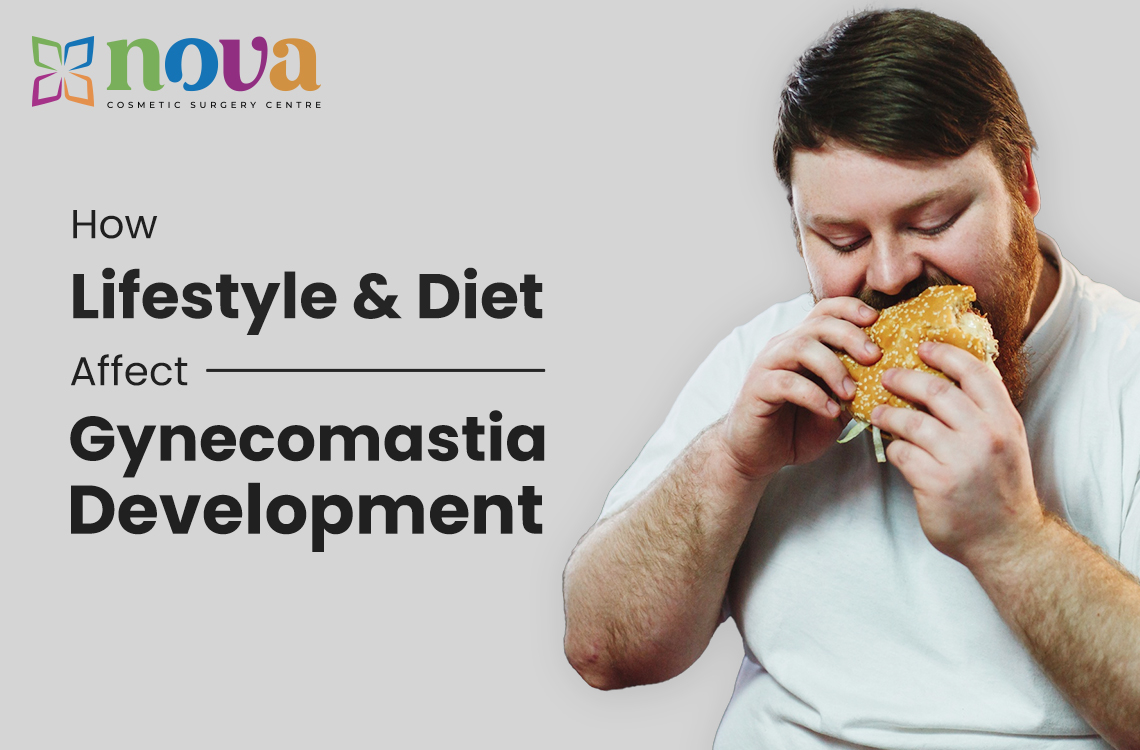
Gynecomastia, the enlargement of male breast tissue, can be influenced by various factors, including lifestyle and diet. While hormonal imbalances are often the primary cause, certain lifestyle choices can exacerbate or contribute to the condition.
An imbalance between estrogen and testosterone is a key factor in gynecomastia development. Diets high in processed foods and sugars can increase body fat, which in turn raises estrogen levels.
Foods rich in phytoestrogens, such as soy and flaxseeds, may also contribute to hormonal imbalances if consumed excessively.
Obesity is another major contributor, as higher fat levels increase estrogen production. Weight loss through a healthy diet and exercise can reduce the risk of gynecomastia by lowering body fat and improving overall hormone balance.
Excessive alcohol consumption can disrupt hormone regulation by affecting liver function, leading to elevated estrogen levels. Regular exercise, particularly strength training and cardiovascular activities, can help maintain a healthy weight, regulate hormones, and reduce the appearance of gynecomastia.
Stress can disrupt hormone levels, particularly testosterone, and lead to fat accumulation, which may worsen gynecomastia. Managing stress through relaxation techniques, exercise, and adequate sleep helps support hormone balance and reduces the risk of developing or worsening this condition.
Regular stress management not only improves mental health but also plays a significant role in maintaining physical well-being.
Adopting a healthy lifestyle and balanced diet can play a significant role in preventing and managing gynecomastia. By regulating hormone levels through proper nutrition, maintaining a healthy weight, reducing alcohol intake, and staying active, individuals can mitigate the risk of developing this condition. Making these adjustments not only helps manage gynecomastia but also contributes to overall well-being and hormone balance.

# 48 Cowley Brown Road, R.S. Puram, Coimbatore-641002
Email : drvikramk@gmail.com
Call us or what's app at +91 89036 15469


© 2026 nova cosmetic surgery centre. All rights reserved.