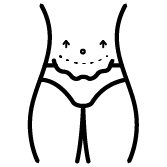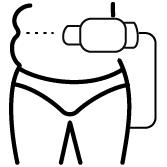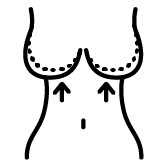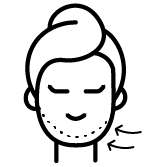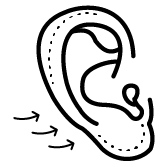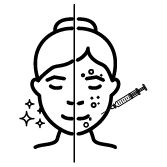

As you age, gravity, sun exposure and the stresses of daily life take their toll on your faces and necks. Deep creases appear, the jaw slackens, and the neck develops loose folds. Facelift aims to address selected signs of aging by tightening the fascia and trimming excess skin. Results vary from person to person.
Facelift surgery may be considered for concerns about the face and neck, including:
Facelift is a restorative surgery, and cannot change your fundamental appearance or stop the aging process.
A facelift can only be performed surgically nonsurgical rejuvenation treatments cannot achieve the same results.
Further, facelift will not rejuvenate the brow, eyelids or nose.
The best candidates are:
Facelift are typically done under general anesthesia. The way a facelift is performed differs depending on the surgeon, the patient’s facial structure and the extent of correction desired.
After your facelift the incisions will be wrapped in bandages, drainage tubes may be placed in the area. The tubes will be taken out in two days. If any surgical clips are used to hold the incisions, they will be removed one week after the facelift along with the stitches.
At first, you may experience swelling, numbness, bruising, and a feeling of tightness in the face and neck. Your face may look uneven and your facial muscles may feel stiff. Mostly these usually resolve within weeks, and returns to normal within a few months. Scars become less red, raised or itchy in time.
You should be gentle with your skin and hair during the recovery period. Men may need to shave behind the neck and ears where beard-growing skin will be moved.
During a consultation at Nova cosmetic surgery centre, your doctor will discuss your goals, suitable options, possible risks, expected results and recovery with you.
Clarify all your Cosmetic surgery related health queries. Interact with the experts at Nova



# 48 Cowley Brown Road, R.S. Puram, Coimbatore-641002
Email : drvikramk@gmail.com
Call us or what's app at +91 89036 15469


© 2026 nova cosmetic surgery centre. All rights reserved.