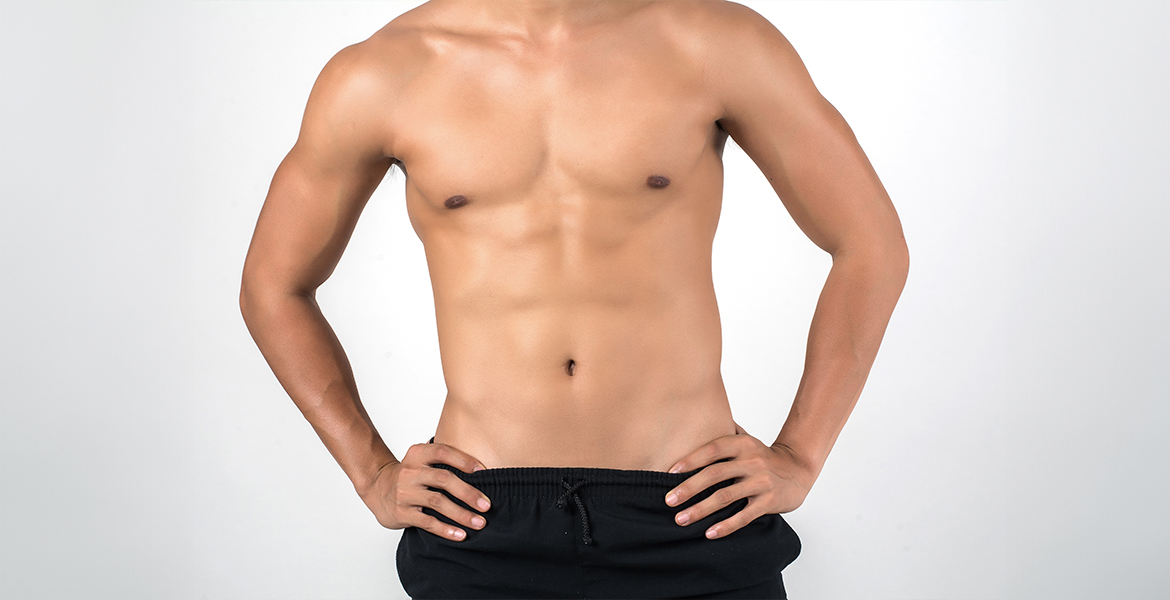
Gynecomastia is the enlargement of glandular breast tissue in males — caused by an imbalance between oestrogen and testosterone. It is not the same as chest fat, and it cannot be resolved through exercise or dieting alone. Male chest reduction treatment is becoming an increasingly popular solution for men who wish to restore self-confidence and be proud of their appearance.
The condition can be caused by common medications, anabolic steroids, herbal or growth supplements, natural or synthetic oestrogen derivatives, marijuana, alcohol abuse, chronic liver failure, renal failure, and obesity. Large numbers of fat cells convert the male hormone testosterone into the female hormone oestrogen, leading to the development of female-like breasts. Testosterone deficiency caused by natural ageing can also lead to gynecomastia in later life.
Gynecomastia surgery can alleviate physical discomfort and relieve social distress. Following surgery, men are free to wear fitted shirts and t-shirts without embarrassment — at the pool, the beach, or anywhere else.
True Gynecomastia
Firm, disc-like glandular tissue under the nipple
Palpable on retroareolar examination
Does not respond to weight loss or exercise
May be tender, especially in early stages
Surgery is the definitive treatment when persistent
Pseudogynecomastia (Chest Fat)
Soft fatty tissue — no firm glandular component
Typically bilateral, associated with overall weight
Responds to weight loss and exercise
Surgery is generally not indicated
We will tell you clearly if this is your situation
Before we recommend anything
Is Male Breast Reduction right for you?
Male breast reduction is suitable for men with enlarged breasts causing physical and/or psychological discomfort. Our assessment exists to confirm this — and to protect you from operating on the wrong condition, from missing a treatable cause, and from surgery you don’t yet need.
01
Medical history review
Medications, anabolic steroid use, alcohol, supplements, and underlying conditions — liver disease, thyroid disorders, renal failure. Many causes of gynecomastia are reversible without surgery.
02
Clinical examination and grading
Retroareolar palpation to confirm glandular tissue, assess severity, and distinguish from pseudogynecomastia. Grading guides which surgical technique is appropriate — liposuction alone, or combined excision.
03
Investigations when indicated
For recent-onset or rapidly progressing cases: testosterone, LH, FSH, oestradiol, thyroid and liver function. Arranged before any surgical plan is discussed — not after.
04
Honest guidance on options
You will be told if surgery is not appropriate — whether because of pseudogynecomastia, a reversible hormonal cause, or because you are too young for a final decision. We do not operate on cases that do not need operating.
The procedure
How Gynecomastia Surgery Works
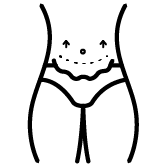
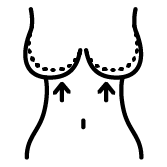
Modern gynecomastia surgery is radically improved over older techniques. The procedure typically involves liposuction to remove fatty tissue. Where glandular tissue requires removal, only a small scar is left below the areola. General anaesthesia is used for most procedures, and the surgical tools are inserted through minor incisions. You will leave with a more pleasing chest contour — and many patients report a newfound self-confidence following surgery.
Anaesthesia: General anaesthesia without intubation — meaning a smoother recovery, minimal nausea, and no throat discomfort on waking. Our anaesthetist sees every patient at a dedicated pre-operative visit, not for the first time on the day of surgery.
As anaesthesia is used, there is no pain during the procedure. A degree of swelling and bruising is normal following surgery. Cold compresses help; your surgeon will provide medications for any mild discomfort. Most patients return to work within a week. The liposuction method causes less tissue trauma than more invasive surgery, leading to a faster recovery and less post-operative stiffness.
A compression garment — measured and ordered before your surgery day — is applied in theatre before you leave, and plays a significant role in shaping your final result.
Day 2 review
First post-operative check — dressing change, wound inspection, and follow-up advice.
1-week review
Wound check, suture removal if applicable, compression garment fit assessed.
Final result assessment. Follow-up visits are part of your care — not separately billed.
The Nova protocol
Consultation, two further visits, then surgery.
This is how every gynecomastia patient is managed at Nova. Three visits in total before the procedure — each with a distinct purpose. Nothing is compressed into a single appointment, and nothing is skipped.
Why this structure? Because surgery on a patient who hasn’t had investigations reviewed, hasn’t been seen by the anaesthetist, hasn’t had infection screening, and hasn’t had their compression garment measured is a surgery set up to go wrong. Each visit exists because it protects your outcome.
1
First visit — Consultation Understanding your situation fully
We listen first. You describe what you are experiencing — duration, impact on daily life, what you have already tried.
Clinical grading: Full examination, retroareolar assessment, grade confirmed (Grade I, IIa, IIb, or III). Pseudogynecomastia is ruled in or out here.
Detailed explanation: What is present, what it means, what surgical and non-surgical options exist for your grade.
Full cost transparency: Surgeon’s fee, anaesthesia, theatre, garment, and investigations — written, not verbal. No hidden charges at any stage.
Time to decide: You leave with information — not a surgery date. No pressure to proceed on the same day.
✉
What we send you after your first visit
Informed consent document: All risks, benefits, alternatives, and expected outcomes — sent in advance so you read it at home.
Pre-operative instructions: What to do and avoid before surgery. Medications to pause. Diet on the day.
Investigations list: Exactly which blood tests and reports are required, and where to get them done.
2
Second visit — consent, questions, and your attender
Attender is compulsory at this visit. A family member or close friend must accompany you — not as a formality, but because having someone you trust present reduces anxiety and improves understanding.
All questions arising from the consent document are answered — fully and without rushing.
Consent form signed in the presence of your attender, after all questions are satisfied.
Investigations confirmed — the required tests have been arranged and results will be brought to the third visit.
Why the attender is required: Cosmetic surgery patients often come alone and make decisions alone. Having someone close present meaningfully reduces pre- and post-operative anxiety, and ensures the patient has support at home during recovery.
3
Third visit — full pre-operative clearance
Investigation review: All blood results reviewed. Any abnormal findings addressed before a surgery date is fixed.
Anaesthetist review: Our anaesthetist sees every patient independently. Risks and benefits explained in full.
Medical fitness confirmed: Cardiovascular, respiratory, and general health reviewed. Any active infection will defer surgery.
Compression garment measured: Measurements taken and garment ordered at this visit — not on the day of surgery.
Pre- and post-operative instructions reviewed again — verbally, to confirm understanding.
Surgery date fixed only after all of the above are satisfactorily completed.
Surgery date fixed at this visit
D’ Day
Procedure day — day surgery
Admission: Same-day admission for most patients. Patients from outside Coimbatore may come the evening before.
Procedure under general anaesthesia: No intubation. 45–90 minutes depending on grade and technique used.
Discharge: Most patients discharged the same day, subject to post-operative stability.
Compression garment applied in theatre before you leave the operating room.
Single point of contact: A direct mobile number is given on discharge — one person to call for any question or concern.
After
Follow-up — structured, not optional
Day 2 review: First post-operative check — dressing change, wound inspection.
1-week review: Wound check, suture removal if applicable, compression garment fit assessed.
3-month review: Final result assessment. Most residual swelling has settled.
Follow-up visits are not a separate charge — they are part of how we manage every surgical patient.
Follow-up is part of your care
Why this matters to you
What this protocol means in practice
Every element of the Nova protocol exists because its absence causes problems. These are not bureaucratic steps — they are safeguards that directly protect your outcome.
01
You will not be operated on unprepared
Investigation review, anaesthetic fitness, and infection screening happen before the surgery date is fixed — not discovered as a problem on the day.
02
You will not be rushed into a decision
Consent is sent home with you to read. Questions are answered at a dedicated visit. The form is signed after your attender has also heard the explanation.
03
Your garment will fit correctly from day one
Compression garment measurements taken at the pre-op visit, ordered in advance. A correctly fitted garment shapes your result.
04
You will have one person to call post-operatively
A direct mobile number — not a reception, not a helpline. One point of contact who knows your case.
05
Your anaesthesia is explained by the person giving it
Our anaesthetist reviews every patient independently at the pre-operative visit. You understand what you’re receiving before you arrive.
06
Your follow-up is structured and included
Reviews at Day 2, 1 week, 1 month, and 3 months. Follow-up is not an additional service — it is part of how every patient is managed.
Common questions
Questions patients actually ask
Why do I need two visits before the surgery date is fixed?
Each visit accomplishes something that cannot be rushed into one appointment. The second visit is for consent — you bring your attender, your questions from the consent document are answered, the form is signed, and your investigations are arranged. The third visit reviews those results, gets you independently assessed by the anaesthetist, screens for active infections, and takes your compression garment measurements. Only when all of that is satisfactorily completed is a surgery date fixed.
Why must someone accompany me at the consent visit?
Having a trusted person present when surgical consent is discussed reduces anxiety, improves how much information is retained, and ensures there is someone at home who understands your recovery requirements. It makes a measurable difference to how patients experience both the decision and the recovery.
What type of anaesthesia is used and who administers it?
General anaesthesia is used — administered without intubation, which means a smoother recovery with minimal nausea and no throat discomfort on waking. Our anaesthetist reviews every patient independently at the pre-operative visit, explains the technique, and answers all questions about anaesthesia directly.
What happens if I have acne or a skin infection when my surgery is scheduled?
The surgery will be rescheduled. Operating through infected or actively inflamed skin significantly increases the risk of surgical site infection. We check at the pre-operative visit, and again on the day. The surgery can always be rescheduled. A post-operative infection is harder to manage.
Are there any hidden charges?
No. The cost breakdown you receive at the first consultation covers surgeon’s fee, anaesthesia, theatre, compression garment, and required investigations. Follow-up visits are not charged — they are part of how every patient is managed at Nova.
How do I know if I need surgery or just chest fat removal?
This is determined by clinical examination — specifically palpating the retroareolar area. Glandular tissue feels firm and disc-like; fat does not. We confirm this at the first consultation. If you have pseudogynecomastia — chest enlargement from fat only — we will tell you, and surgery is not the answer.
 Watch
Watch