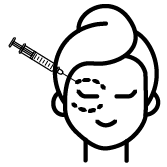
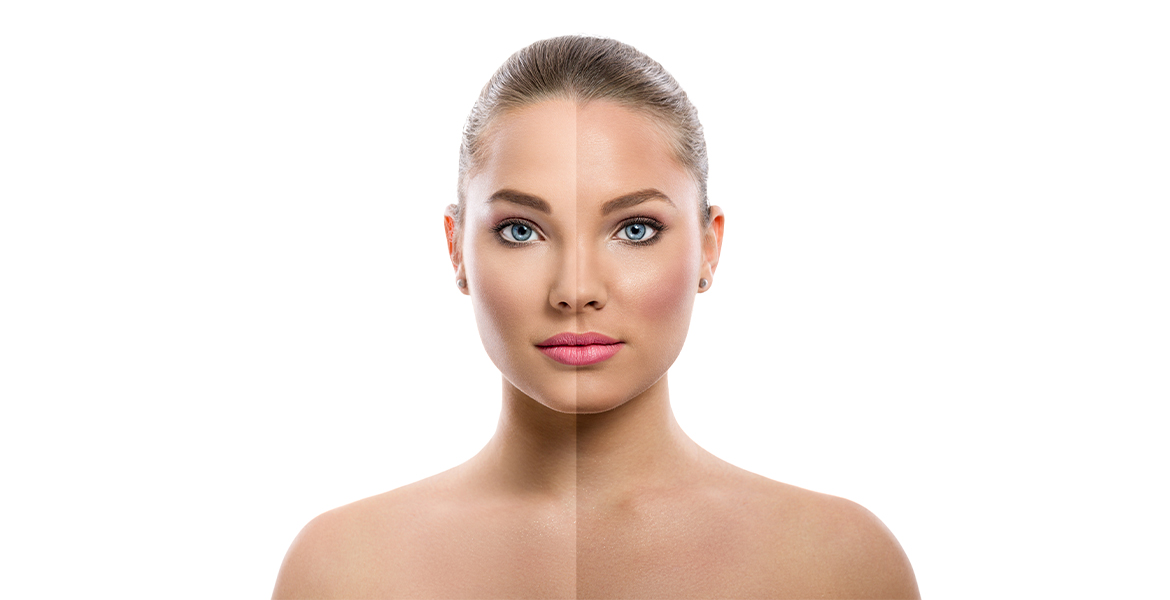
Chemical peeling is a way of rejuvenating facial skin by applying a chemical that essentially destroys the top layers of the skin. It may reduce the appearance of selected signs of sun damage, age spots, skin discoloration and fine wrinkles, and may improve skin texture. Results vary from person to person.
Trichloroacetic acid (TCA) is one chemical used for peeling. Other agents include phenol and fruit acids. The choice of agent and peel depth depends on your skin, treatment goals and risks; no single agent is best for everyone.
The anaesthesia needed depends on the type and depth of the peel. Effectively, a chemical peel causes a controlled burn. The skin heals after treatment, and the response varies. Obviously, you need to make sure that whoever is performing this procedure has the proper credentials and is well trained, because too deep of a burn can result in serious scarring. Your doctor will select the intended peel depth and discuss the risks; the depth of injury and healing response cannot be guaranteed.
Your doctor will assess which areas are suitable for treatment and discuss the peel depth, setting and any anaesthesia needed. After the peel, the skin of your face becomes leathery and appears burned until the skin peels off uncovering the new skin below. Healing time varies with the depth of the peel and your skin.
After your skin has peeled, your face is pink for 1 to 2 months depending on the depth of the peel. It is important that you stay out of the sun for at least 6 months. Exposure to sun may cause hyper-pigmentation and/or irritation of the face.
Whether and when to repeat a chemical peel depends on the type of peel, your skin and its response. Your doctor will advise on a suitable plan.
Clarify all your Cosmetic surgery related health queries. Interact with the experts at Nova



# 48 Cowley Brown Road, R.S. Puram, Coimbatore-641002
Email : drvikramk@gmail.com
Call us or what's app at +91 89036 15469


© 2026 nova cosmetic surgery centre. All rights reserved.