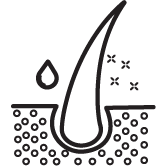
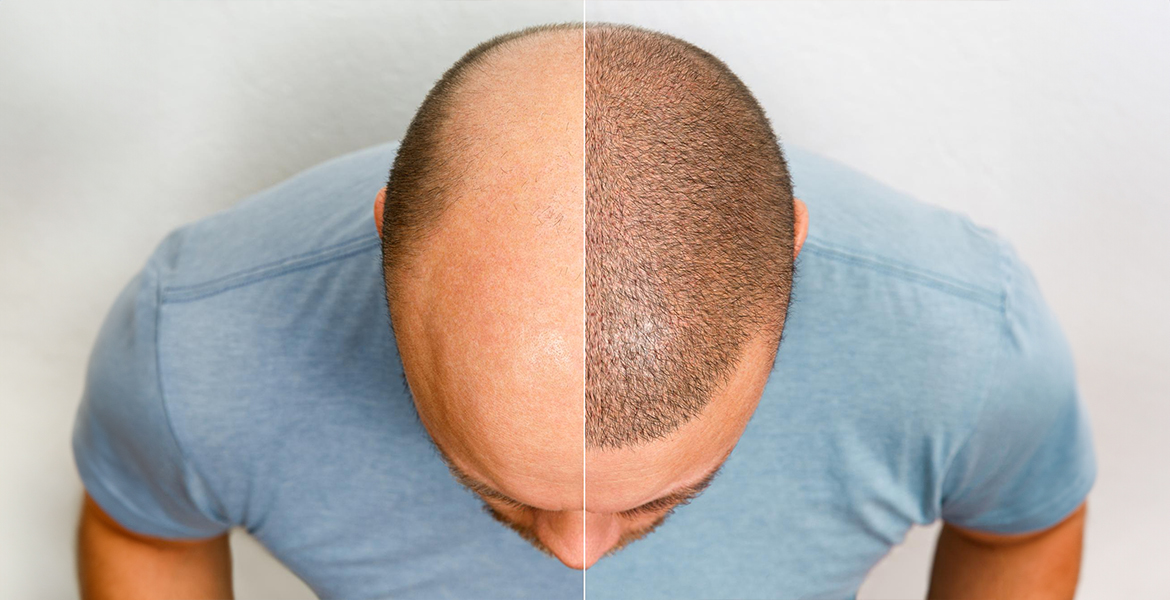
Male Hair Loss: Age, testosterone, and heredity. Like many things in life, our age and family history offer a good prediction of what we will see in ourselves. Male hair CAN BE sensitive to and harmed by a breakdown product of testosterone … DIHYDROTESTOSTERONE. Thus, the basis of medical treatment for hair loss is targeted at preventing dihydrotestosterone’s harmful effects on hair. Medicines used for hair loss work in different ways. Your doctor can explain which options are suitable for you. Female Hair Loss: Although occasionally an identifiable cause for female hair loss such as low thyroid, iron deficiency, and autoimmune disease can be treated, the most common cause of hair loss in women is HEREDITY. Surgical hair replacement aims to improve coverage by relocating remaining hair follicles. Results vary from person to person. Women with hair loss need an individual assessment before any medicine or surgical treatment is recommended.
Hair loss treatment involves the moving of healthy hair follicles (those unaffected by DHT) from the back of your head to areas of thinned or complete scalp hair loss. There are 2 methods of harvesting hair.
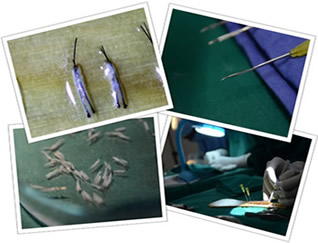
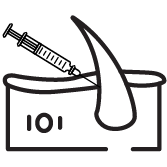
Use of local anaesthesia in the area of hair harvesting (donor area) facilitates the removal of a strip of hair the length of which is determined by the number of hair grafts we want to employ. The donor area is closed with suture. Sutures from this area are removed at your 7-10 day post op visit. FUT leaves a linear scar, which may be covered by surrounding hair. Scar visibility varies from person to person. The surgical team then precisely divides the donor hair strip into hair grafts consisting of single or 2-3 follicle units. While this delicate process is taking place, the surgeon continues by preparing the areas to receive grafts (recipient area). Small puncture sites are created into which the expertly prepared hair transplant grafts will be inserted. The grafts can also be placed using special implanters developed for this purpose. Critical attention is paid to the creation of the appropriate hairline position, the orientation or angle in which the grafts are positioned and the number of grafts applied to specific areas. These details will have already been addressed in your preoperative consultation as well. The preparation and insertion of your hair grafts is the most time-consuming aspect of the procedure. It is performed with the aid of magnification to ensure exacting detail. During this phase of your hair transplant surgery you may choose to talk, rest, read or even be entertained by your video of choice. The average hair transplant surgery consists of around 1000-2000 follicles. Time of surgery is usually about 6-8 hours.
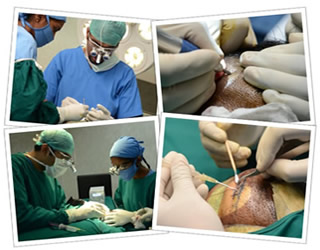
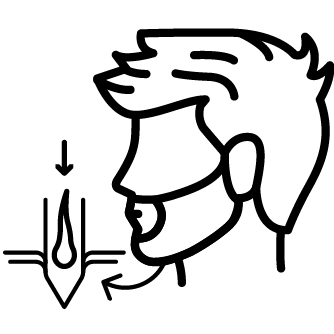
The donor area is numbed by using local anaesthetic solution. The hairs in donor area are trimmed to easily visualize the area for harvesting individual hair follicular units. Using a specialized instrument hair follicles are directly harvested one by one with small punches ranging in diameter from 0.75 to 1 mm. This technique does not usually require sutures to close the donor area. It leaves small scars rather than the linear scar associated with the strip technique. Approximately around 1000 to 1200 follicles can be harvested in each session depending on the donor density. Postoperative discomfort varies from person to person. The implantation process is the same as explained for the strip technique.
At the conclusion of your hair loss treatment, your scalp (and “new” hair) will be washed, dried and combed. Oral antibiotics will be prescribed for 5 days postoperatively. A gentle oral pain medication will be prescribed. The degree and duration of discomfort vary from person to person. Shower and exercise instructions will be reviewed with each patient. A few (2-3) days of diminished activity and return to more vigorous exercise at 10 days post op is recommended. Small amounts of oozing from the graft sites will cease in 1-2 days. Redness will also subside in 7-10 days.
Hair follicles will usually appear to grow early (2-3) weeks after your hair restoration. Your new hair will then “shed” as the hair follicles go into a resting or dormant phase. During this time it will appear that you have lost your new hair. Re-growth of your transplanted hair then begins in about 2-4 months. The timing, density and extent of new growth vary from person to person. A particular percentage of growth cannot be guaranteed. Your doctor can advise whether medicine is appropriate to help manage further hair loss. Do not start or change treatment without medical advice.
Clarify all your Cosmetic surgery related health queries. Interact with the experts at Nova



# 48 Cowley Brown Road, R.S. Puram, Coimbatore-641002
Email : drvikramk@gmail.com
Call us or what's app at +91 89036 15469


© 2026 nova cosmetic surgery centre. All rights reserved.