
Posted Date : 11 Jun 2026
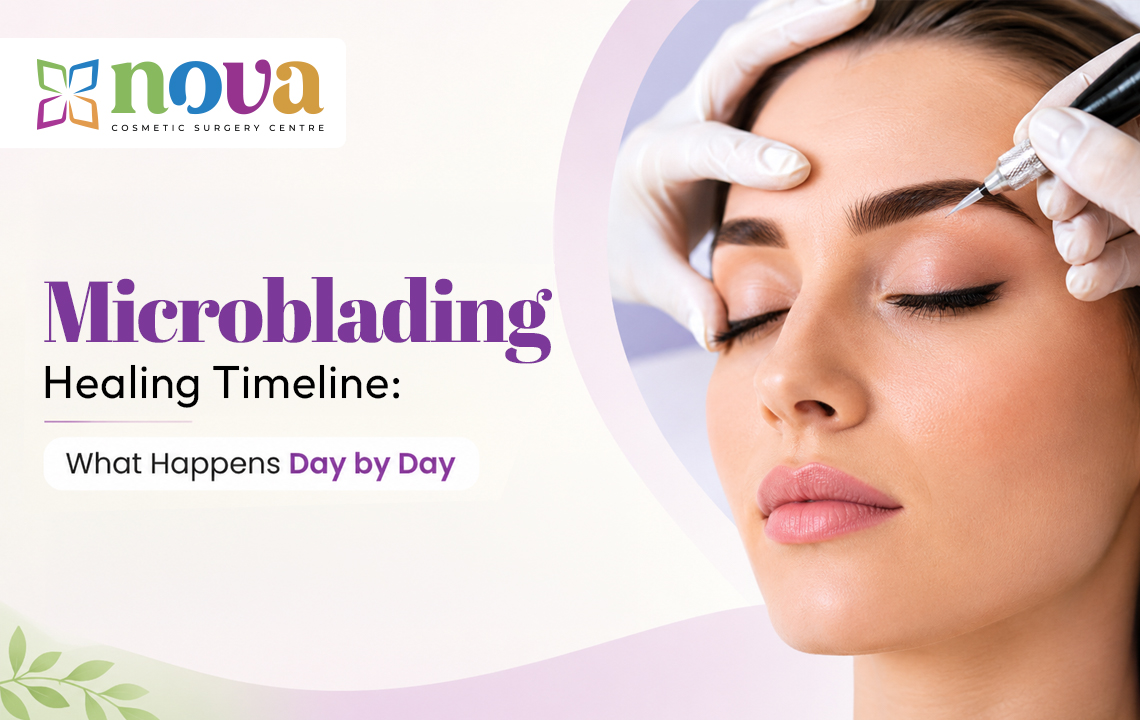
Right after microblading, the brows usually look darker, sharper, and more intense than expected. Mild redness, tenderness, or slight swelling can also happen because the skin has just gone through a controlled cosmetic tattooing process.
This stage can feel surprising, but it is normal. The colour will gradually soften as the skin begins to heal and the pigment settles into the upper layers of the skin. Microblading is a form of micropigmentation, and follow-up sessions may be needed to achieve the desired result.
During this phase, the brows may start to feel dry, tight, or slightly itchy. Small scabs or flakes can form as the skin repairs itself. It is important not to pick, scratch, or peel the area, as this can pull out pigment and affect the final result.
Keeping the brows clean and following aftercare instructions is essential. Avoiding makeup, excess moisture, swimming, saunas, and heavy sweating during the early healing period helps protect the pigment and reduce irritation.
As the scabs naturally fall off, the brows may look uneven, faded, or patchy. This is one of the most common stages of microblading healing and does not mean the treatment has failed.
The skin is still healing underneath, and the pigment may appear lighter before it resurfaces more clearly. This is why patience is important during the healing process.
By the third and fourth week, the brows usually begin to look softer and more natural. The colour becomes more balanced, and the strokes may appear clearer as the skin continues to recover.
However, the final result may still not be fully visible yet. Many people require a touch-up session after healing to correct small gaps, improve pigment retention, and refine the shape.
Microblading healing is not instant. Brows may look dark, flaky, patchy, and faded before they settle into their final appearance. These changes are a normal part of the process.

# 48 Cowley Brown Road, R.S. Puram, Coimbatore-641002
Email : drvikramk@gmail.com
Call us or what's app at +91 89036 15469


© 2026 nova cosmetic surgery centre. All rights reserved.