

Posted Date : 15 June 2025
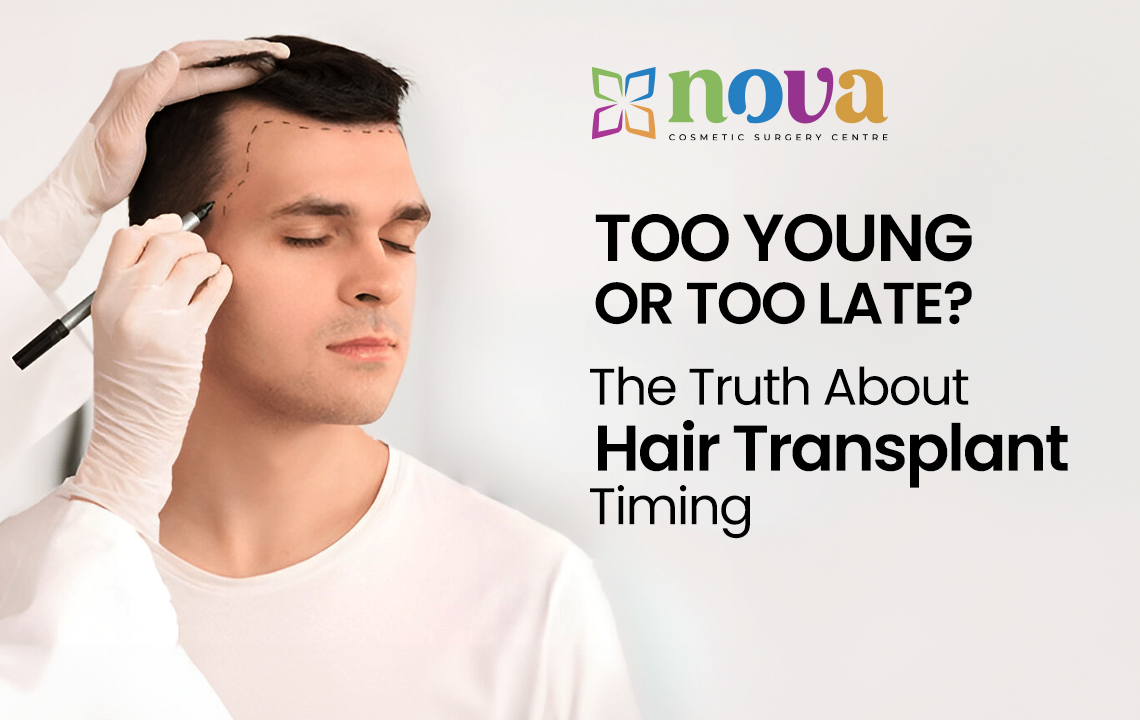
Hair loss is a common concern for many, and whether it’s due to genetics, aging, or lifestyle factors, it can affect your confidence and self-esteem. But the question often arises: When is the right time to consider a hair transplant? Is it too early to opt for the procedure in your 20s, or is it too late once you reach a certain age? Let’s unravel the truth behind the timing of a hair transplant, and how you can make the best decision for your hair health.
Many individuals in their 20s experience hair thinning or receding hairlines, leading them to consider a hair transplant. While it may feel tempting to undergo the procedure early, experts generally recommend waiting until hair loss stabilizes. If you have an active hair loss pattern, a transplant at this age might not provide lasting results since hair loss can continue even after the procedure.
However, if your hair loss is genetic (and you’re sure it won’t progress), undergoing a transplant can be an option. But remember, consulting with a qualified specialist is crucial to determine the right treatment plan.
As you reach your 40s and 50s, the rate of hair loss generally slows down. This makes it an ideal time for many individuals to undergo a hair transplant, as your hair pattern is more predictable. A Follicular Unit Extraction (FUE) or Follicular Unit Transplant (FUT) can help restore your hairline and volume, giving you a natural look. At this stage, you are likely to have enough donor hair for the procedure, which increases the chances of a successful transplant.
It’s never really “too late” to consider a hair transplant, but age does play a significant role in the success of the procedure. As we get older, hair follicles become weaker, and the healing process takes longer. Furthermore, people in their 60s may have less dense donor hair available.
Moreover, Indian society — while increasingly open — still retains certain traditional views, especially when it comes to visible tattoos and professional appearances. For some celebrities, removing tattoos aligns with personal growth or cultural expectations.
While age is a crucial factor, other elements also play a significant role in determining the best time for a hair transplant: Health Status: Your overall health, including the condition of your scalp, will impact the success of the procedure. Hair Loss Pattern: A transplant is most effective when hair loss has stabilized. An experienced surgeon will assess whether your hair loss has reached a plateau. Hair Donor Area: The density of the donor hair is important. The more donor hair available, the better the chances of a successful transplant. Expectations: Set realistic expectations about the procedure’s outcomes. While a transplant can restore a fuller head of hair, results may vary based on individual factors.
So, is it too young or too late for a hair transplant? The truth lies in finding the right balance. While it may be too early for some individuals in their 20s, it’s never really “too late” to consider a transplant, especially if you’re in good health. Consulting with a skilled hair transplant surgeon is the best way to determine the ideal timing for your procedure, ensuring that your hair restoration journey is both effective and lasting.
Hair loss can be a challenge, but the right decision, made at the right time, can help you regain confidence and improve your appearance.

# 48 Cowley Brown Road, R.S. Puram, Coimbatore-641002
Email : drvikramk@gmail.com
Call us or what's app at +91 89036 15469


© 2026 nova cosmetic surgery centre. All rights reserved.